February 13, 2013 (Monday)
|
|
|
|
|
|
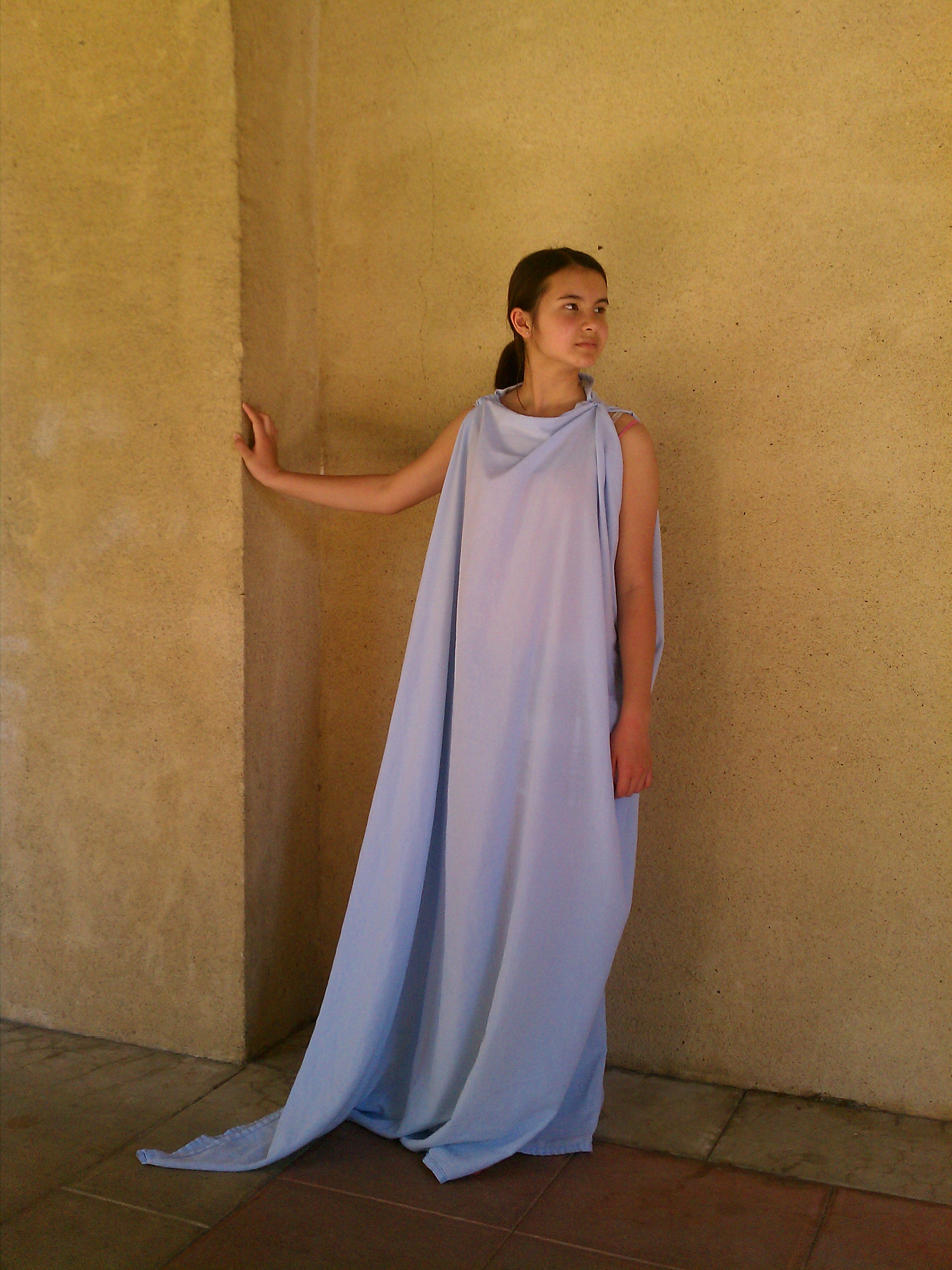
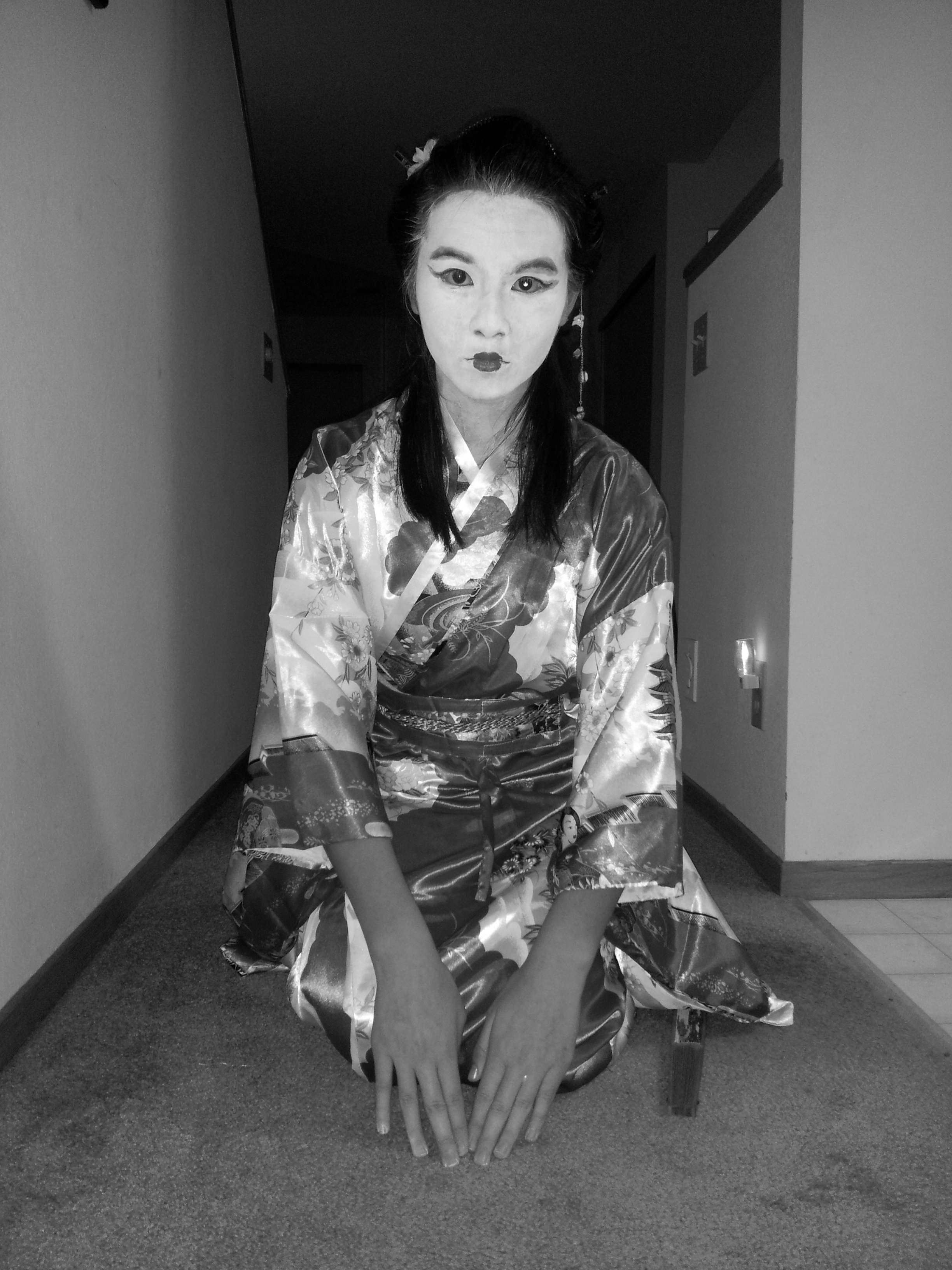
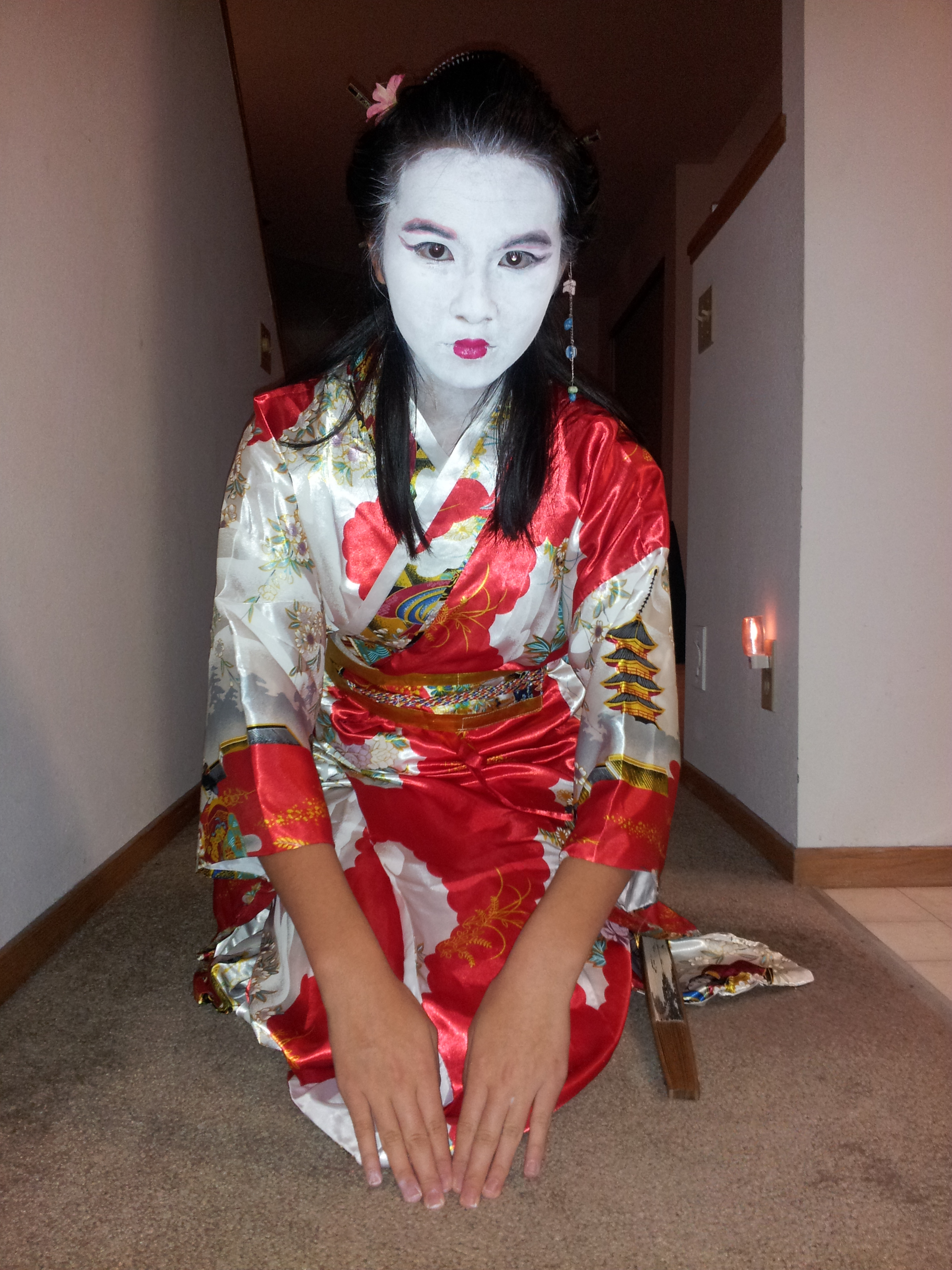
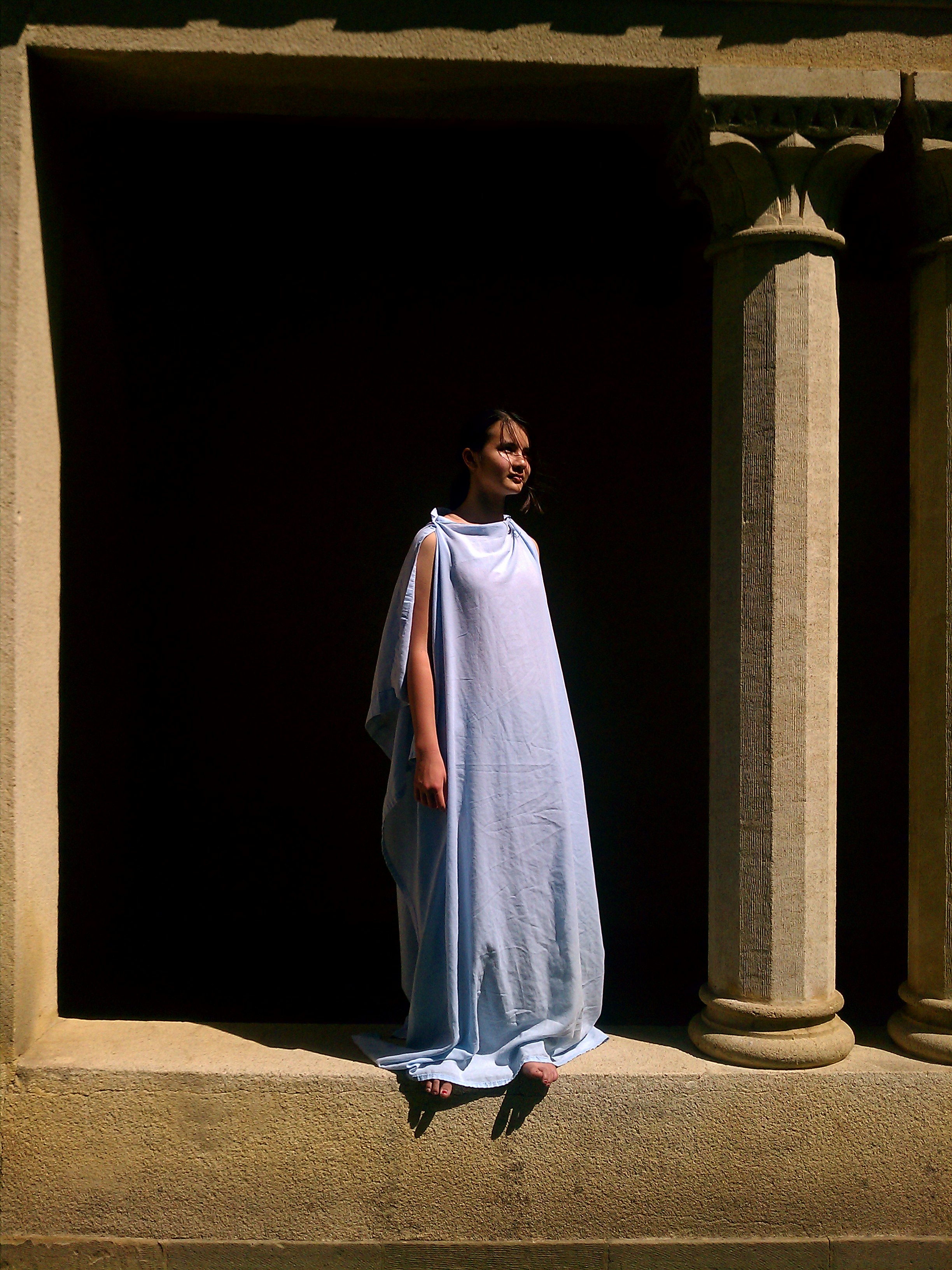
The “Night of the Notables” is a special school project to highlight outstanding characters in history. For this project, AMS selected the character of Pythia, priestess and oracle of Delphi, wearing a traditional light blue chiton.
AMS said, “What we will do is on one night, everybody will dress up as a historical character that lived in BCE (Before Common Era). We will also make a 1 to 2 minute speech about our person and present a tri-fold board.”
The chiton costume was hand-made from an old sheet and assembled with bobby pins.
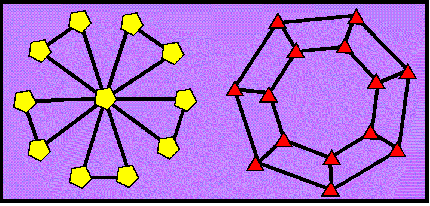
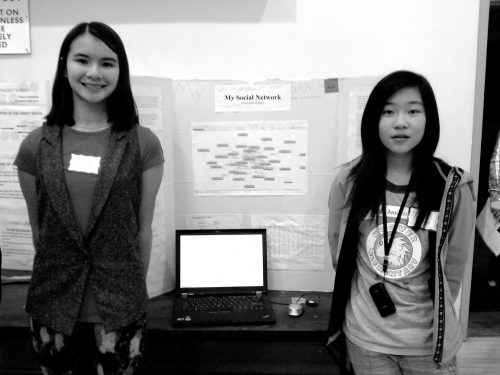
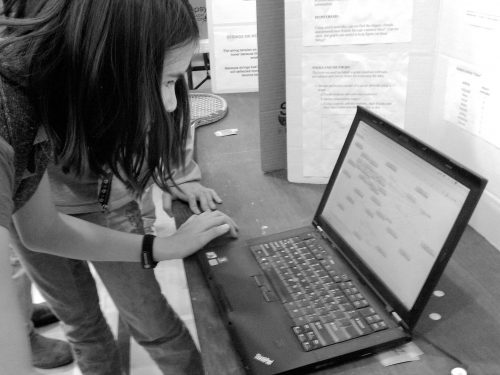
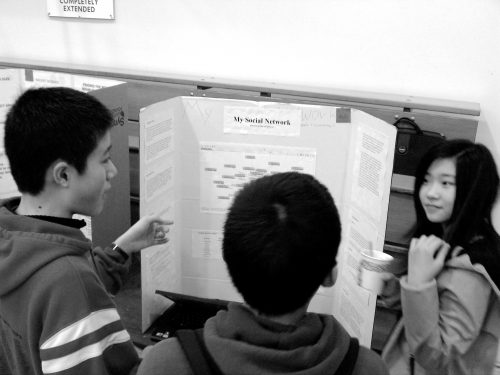
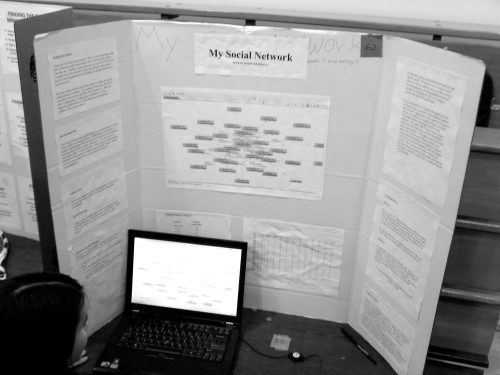
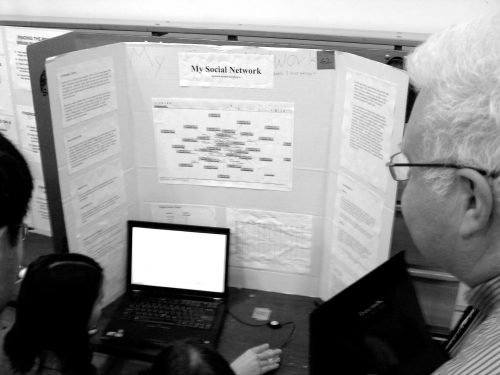
This project is to develop a social network and submit it as a science fair project. The topics covered includes: social sciences (social network analysis), math (graph theory, statistics and matrix operations), and communication. Part of the objective will be to discover the alphas and cliques within a limited network of friends and acquaintances (no actual names will be used).
People are, by nature, social animals. This is of such importance that their connections and relationships, their social network, defines who they are. Families, clubs, church groups and friend circles are examples of social networks. In fact, any activity where people have to come together and do something as a group can become a social network.
Recently, many websites have been created to utilise the social nature of humans. For example: Facebook, LinkedIn, Amazon.com and Ebay and even Schoology, allow people to
and so many more.
It’s always exciting to see all the projects presented at the Science Fair. It was a huge turnout and there was also an exhibit in the Cafetorium by Tesla, USGS, Marine Science Institute and other organizations.
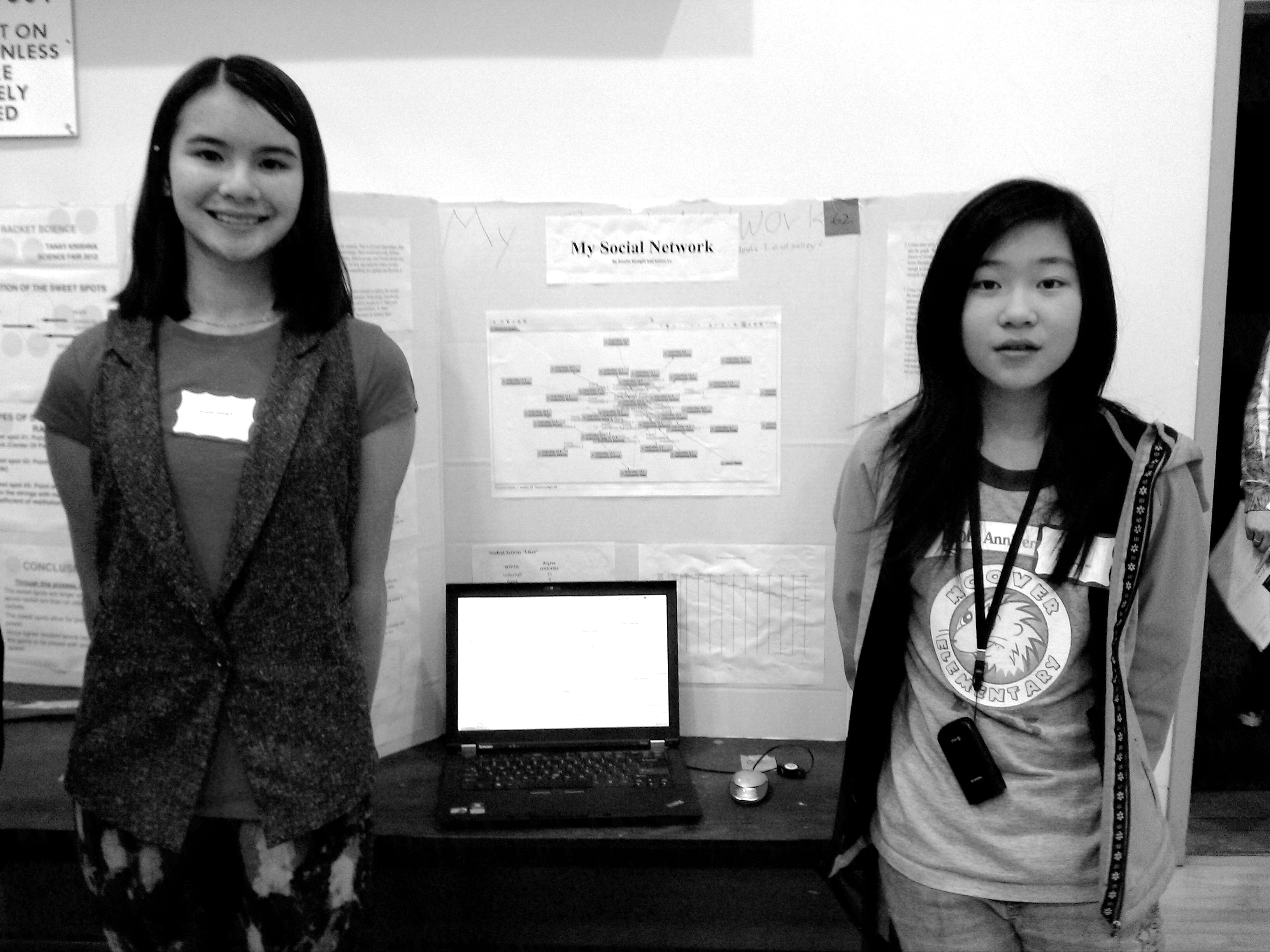
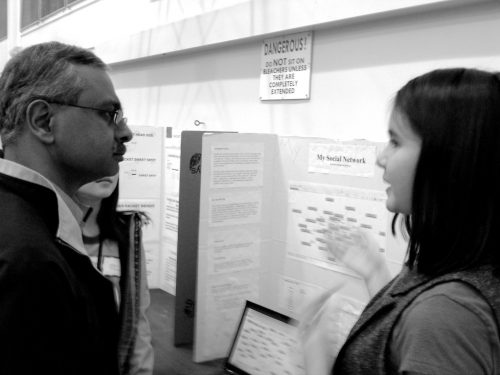
Bovril and Radiance’s project evaluator is an entrepreneur who founded a successful company using an approach very similar to what they’d presented. His comments were encouraging and include “My Special Project!”, “Fun problem”, “Clear hypothesis”, “A very rich area”, “I though the kids had a handle on the basics…”. He commented that he’d like to see more data, lots more data “next year”. Seems he’ll be looking for more in 7th grade. So exciting!
June 7, 2009
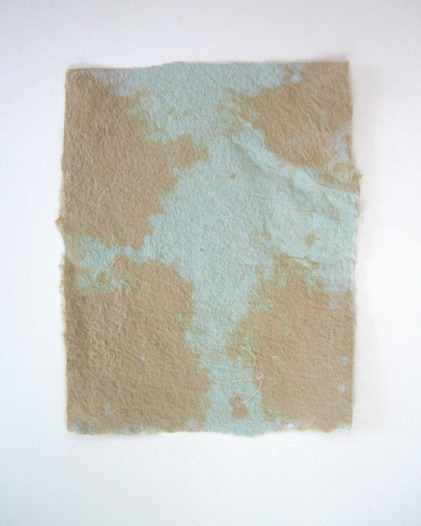
My dad and I visited John Babcock at his studio in the Santa Cruz mountains. He hasn’t seen me since I was a two-month old baby. I learned a lot of new things about paper making like the kozo pulp and how to use a bamboo mesh screen. Also I learned about special machine that paper-makers use to make pulp called a Hollander beater. They’re kind of like bath-tub shaped blenders.
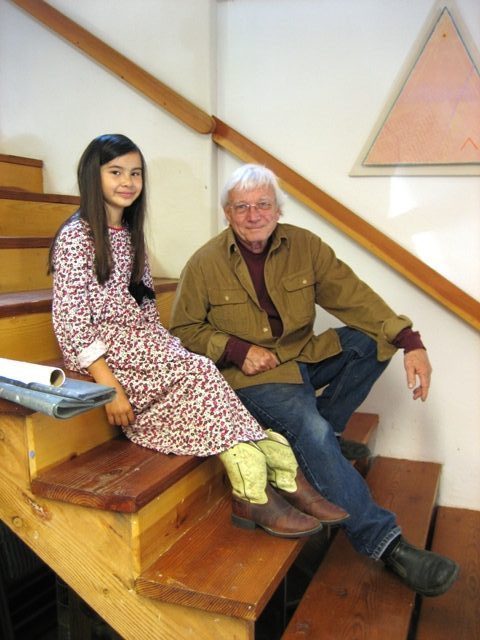
I showed John samples of paper I’d made – he thought I’d done a great job and hoped I’d take one of his workshops in paper-making.
Continue reading Visiting With John Babcock, Artist/Papermaker/Mentor
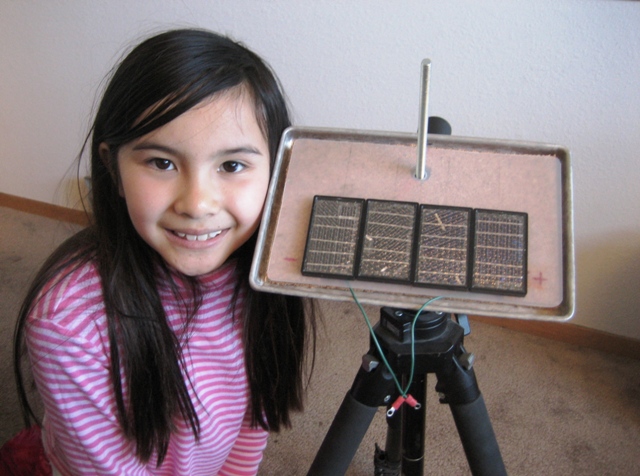
You can get electricity from the sun using solar cells. That means it is possible to reduce greenhouse gas production by using electricity from sunlight. But many things can affect the amount of electricity from solar cells. Here are some things that will do that: trees, houses, clouds, time of year, and where you live in the world.
[placeholder]
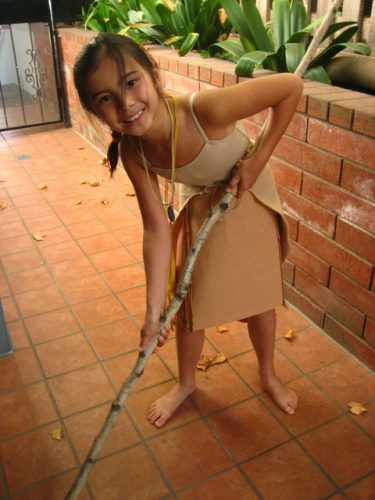
Hi my name is Sayanta. I come from the village of Matalan. I speak Tamyen, a language of the Ohlone Native Americans. I am a very busy girl. The first thing I do when I wake up in the morning is fetch water from the stream and fill the water basket in our tule hut. My parents tell me I was born nine seasons (years) ago. I will show you how to make clothes in the Ohlone style.
Continue reading Project 4: Making Ohlone Native American Clothes
Explorations in color, patterns, spatial relationships and textures. Refinement of technique.